

Brazilian Sisal Fiber Emerges as Lightweight Green Alternative for Automotive Industry
Share Post
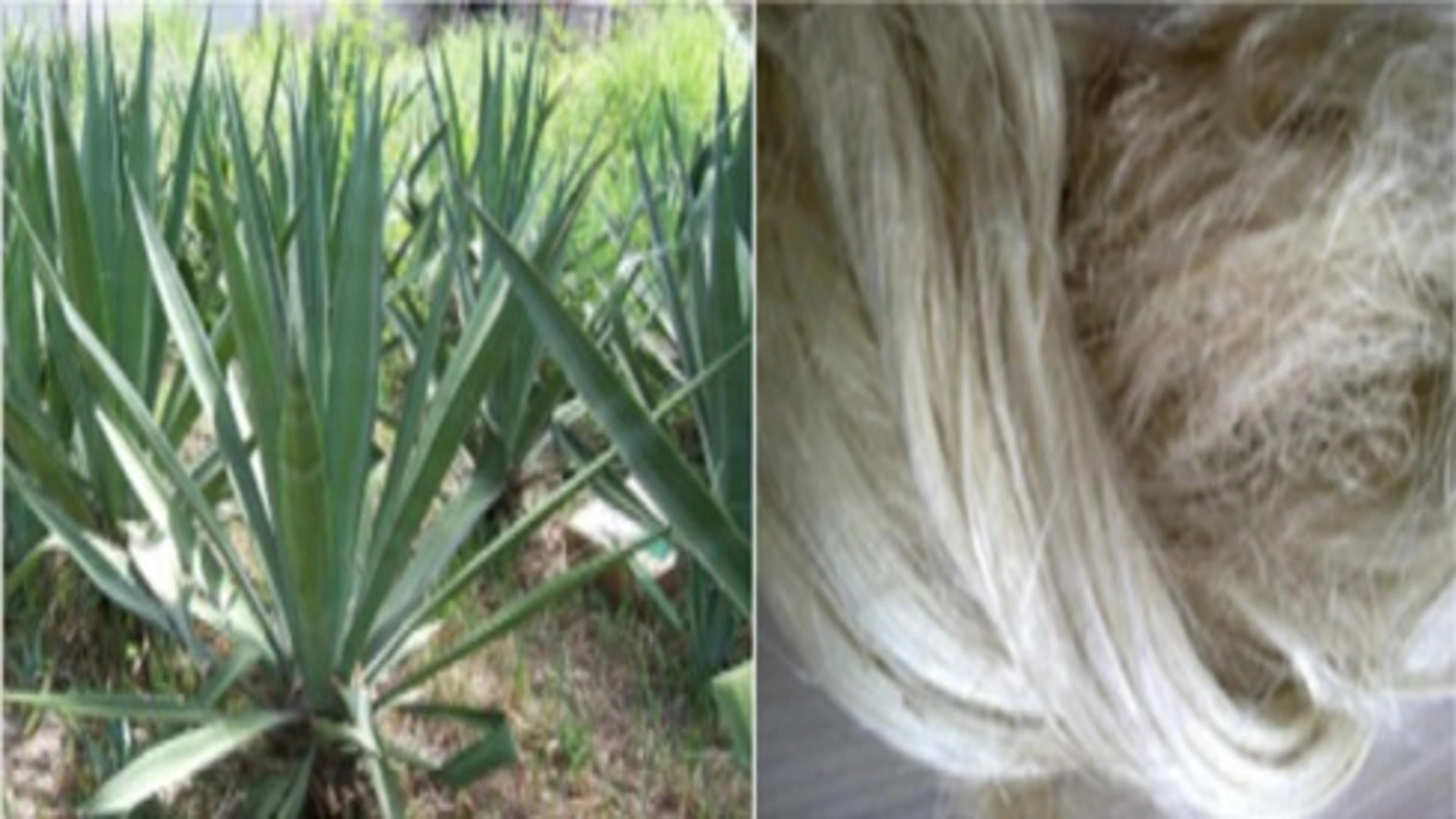
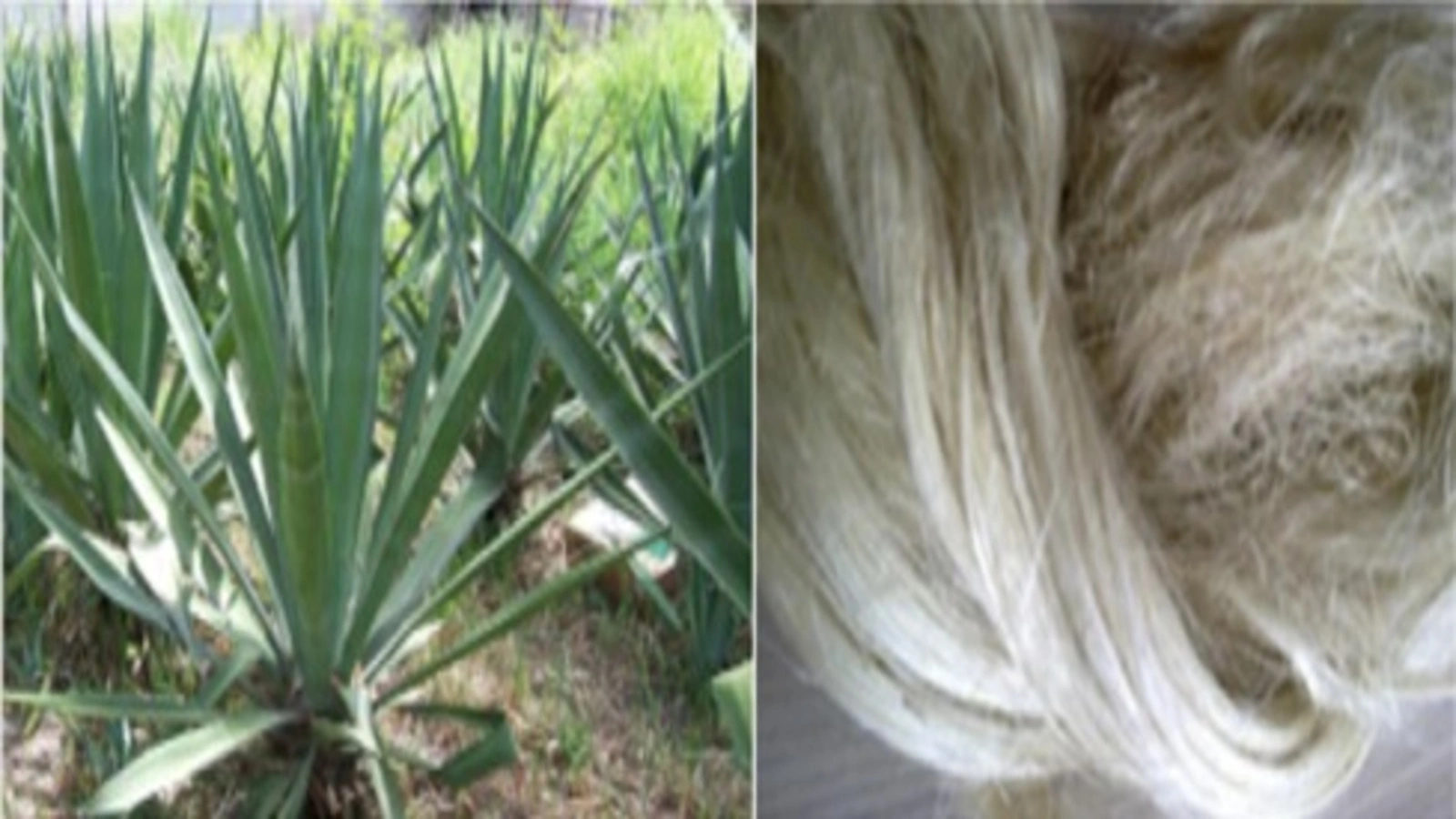
Brazilian scientists have identified sisal fiber as a promising sustainable material that could transform industrial manufacturing, particularly in the automotive sector. Traditionally grown in Brazil’s semi-arid region and used for ropes and agricultural products, sisal is now gaining recognition as an advanced natural fiber capable of replacing fiberglass in selected applications.
One of sisal’s biggest advantages is its lightweight nature. With a density of around 1.15 g/cm³, it is significantly lighter than fiberglass, which averages about 2.5 g/cm³. This difference can help reduce the weight of automotive components, leading to better fuel efficiency, lower emissions, and improved vehicle performance. Lightweight materials are increasingly important for electric vehicles as well, where lower weight can improve battery range.
Research published in scientific studies has shown that sisal fiber can effectively reinforce composite materials. These biocomposites combine natural Fibers with resins to create lighter and more sustainable products. Sisal is particularly suitable for applications such as door panels, dashboards, interior trims, and insulation components where extreme structural strength is not required.
The environmental benefits are also significant. Sisal is renewable, biodegradable, and requires less energy to process than many synthetic alternatives. It can also be combined with plant-based polymers, further reducing dependence on petroleum-based materials. Although sisal does not yet match Fiberglass in mechanical strength for high-load structural uses, it has strong potential in many secondary applications. Its growing use could also bring major economic benefits to rural Brazil by creating new demand for farmers and linking agriculture with industrial innovation.
11:57 AM, Apr 25
.webp)
.webp)
.webp)

1.webp)
1.webp)
.webp)

1.webp)
1.webp)

1.webp)

1.webp)


1.webp)
1.webp)

1.webp)
1.webp)

1.webp)
1.webp)
1.webp)




1.webp)


1.webp)


1.webp)

1.webp)
1.webp)
1.webp)


1.webp)


1.webp)


1.webp)

1.webp)


1.webp)

1.webp)


1.webp)


1.webp)
1.webp)
1.webp)


1.webp)
1.webp)

1.webp)


1.webp)

1.webp)

1.webp)
1.webp)
1.webp)


1.webp)

1.webp)


1.webp)


1.webp)





1.webp)
1.webp)

1.webp)


1.webp)


1.webp)





1.webp)










1.webp)
1.webp)


.webp)


1.webp)






.png)


.jpg)


1.jpeg)
