

Unified Labour Codes Pave a New Path for Indian Textile Industry
.webp)
Share Post
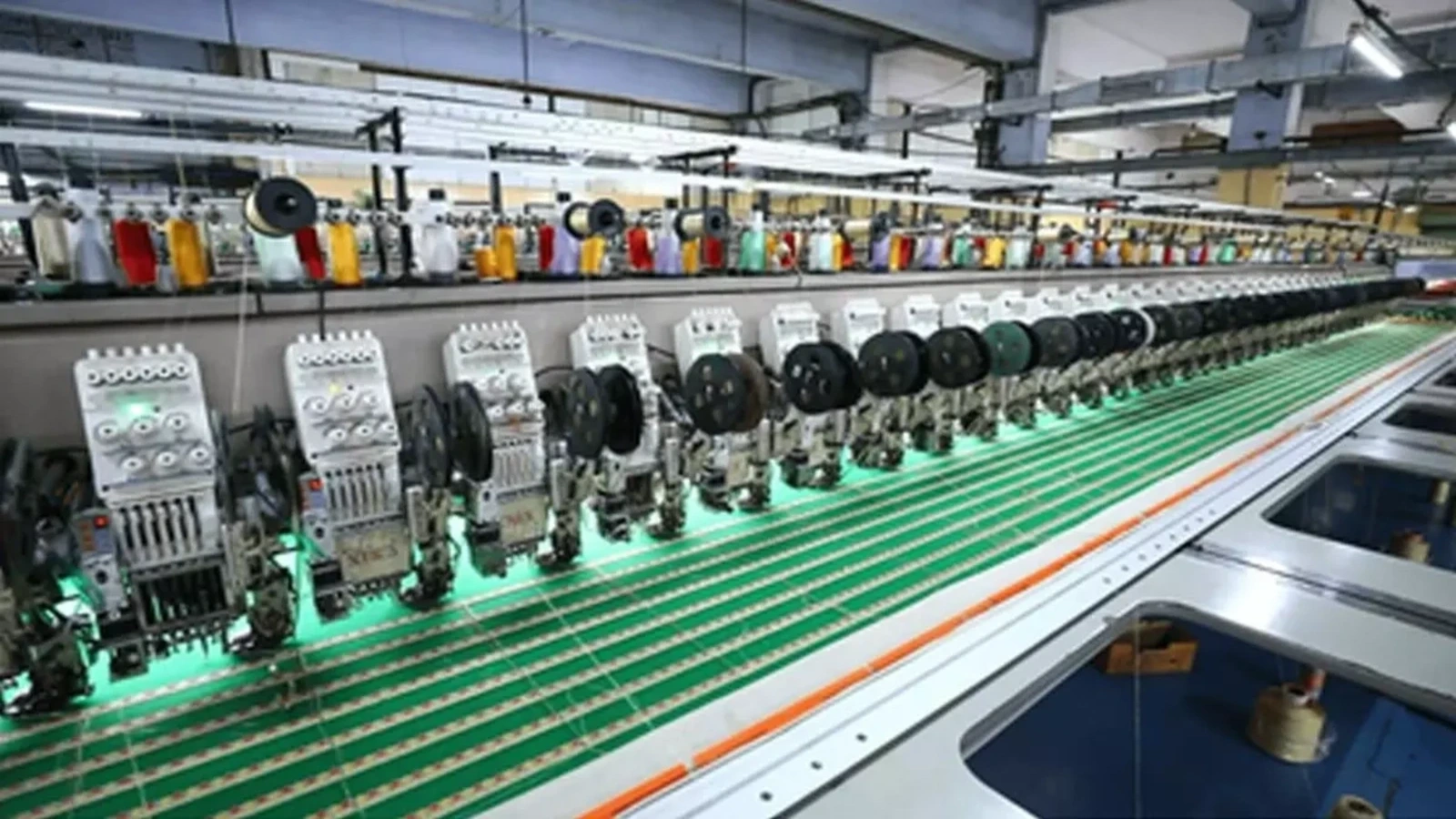
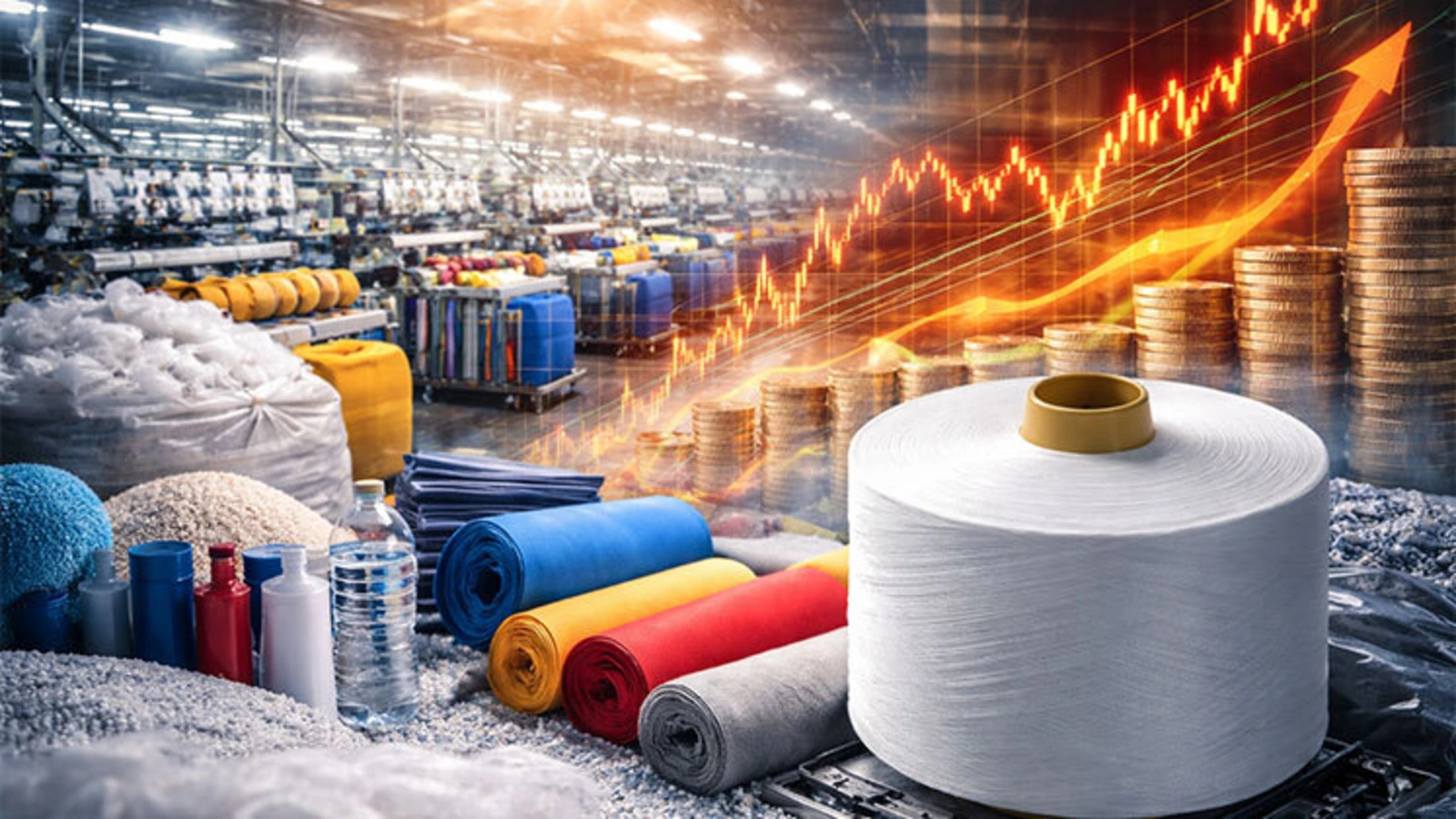
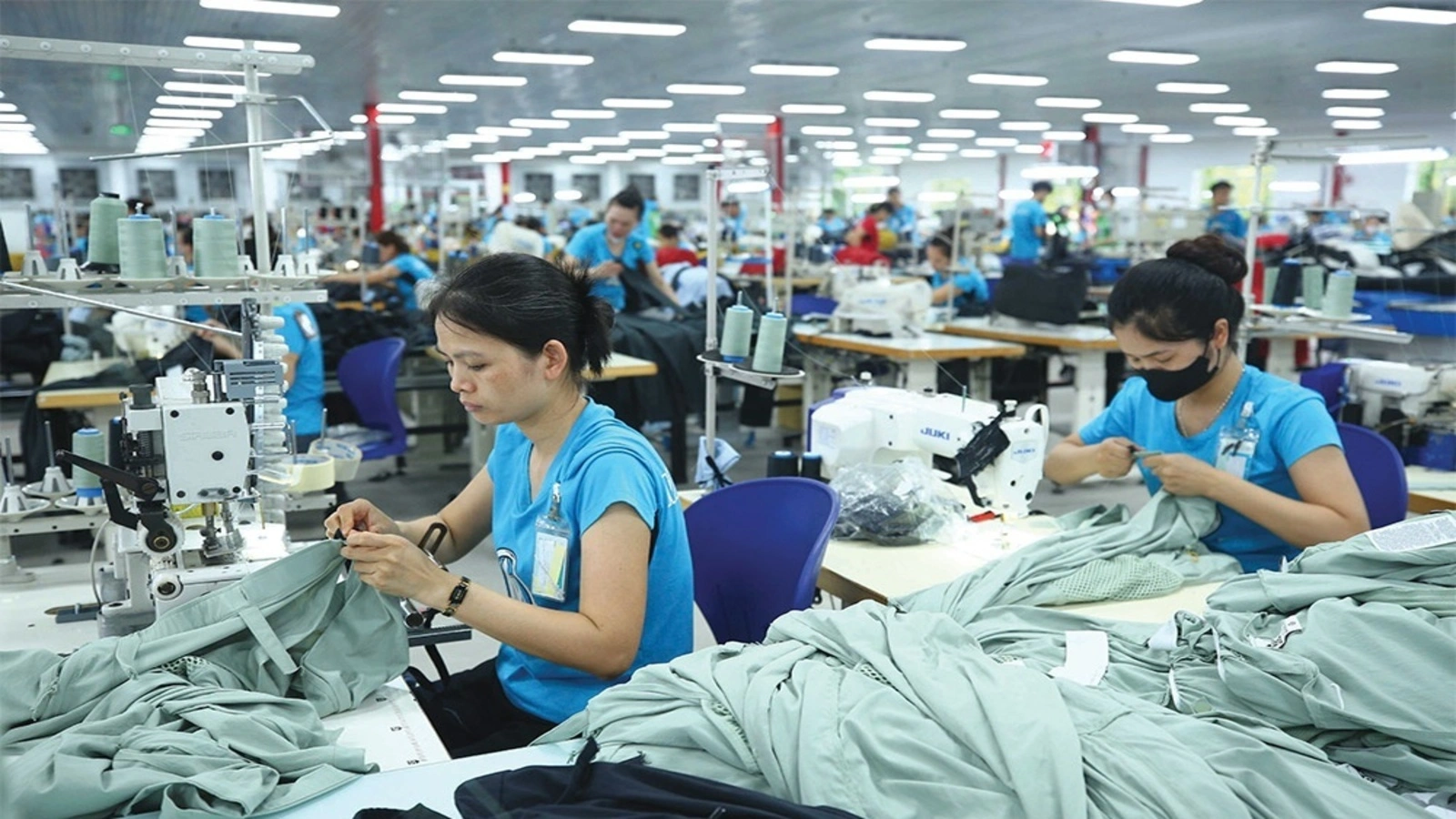
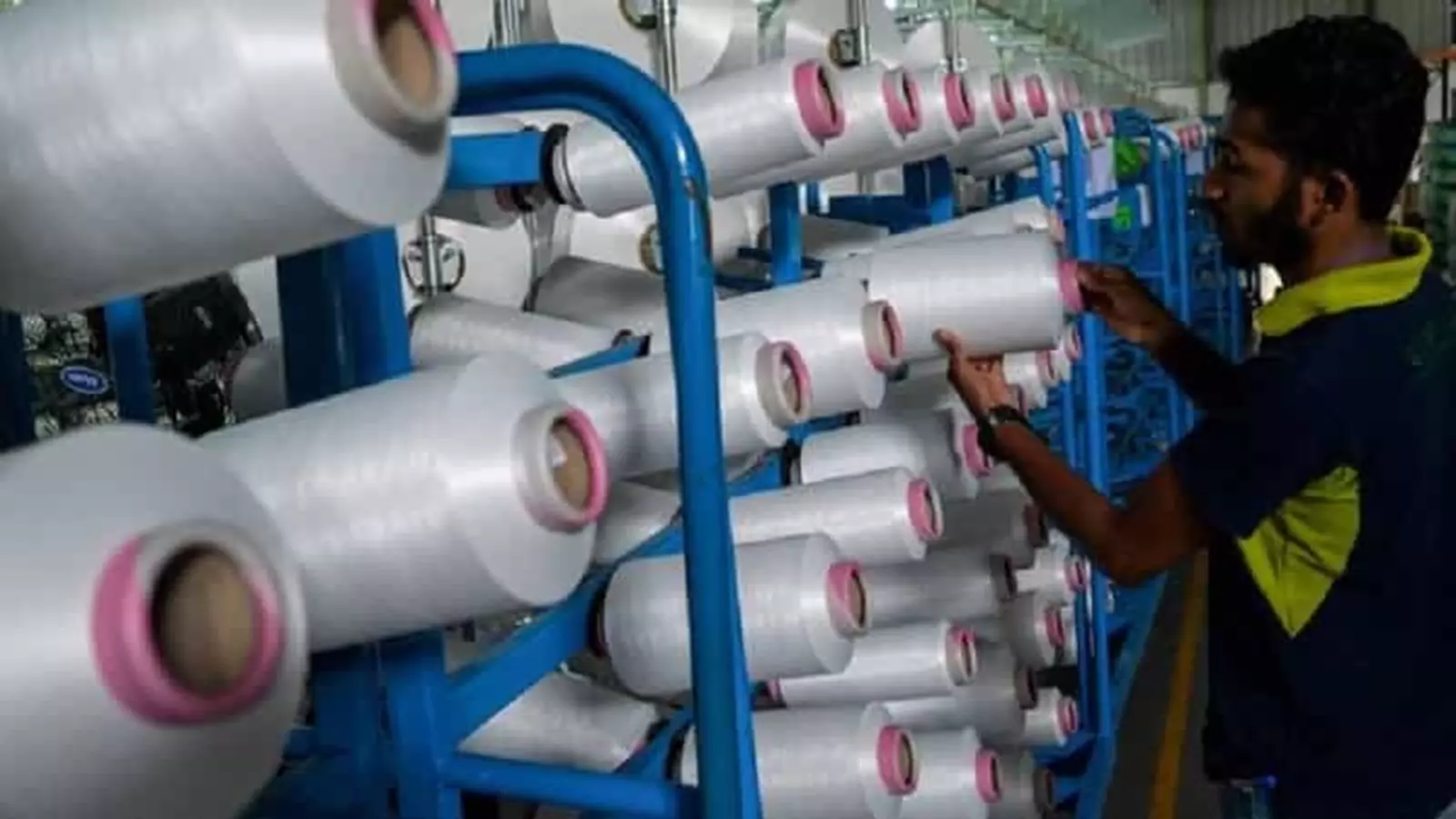
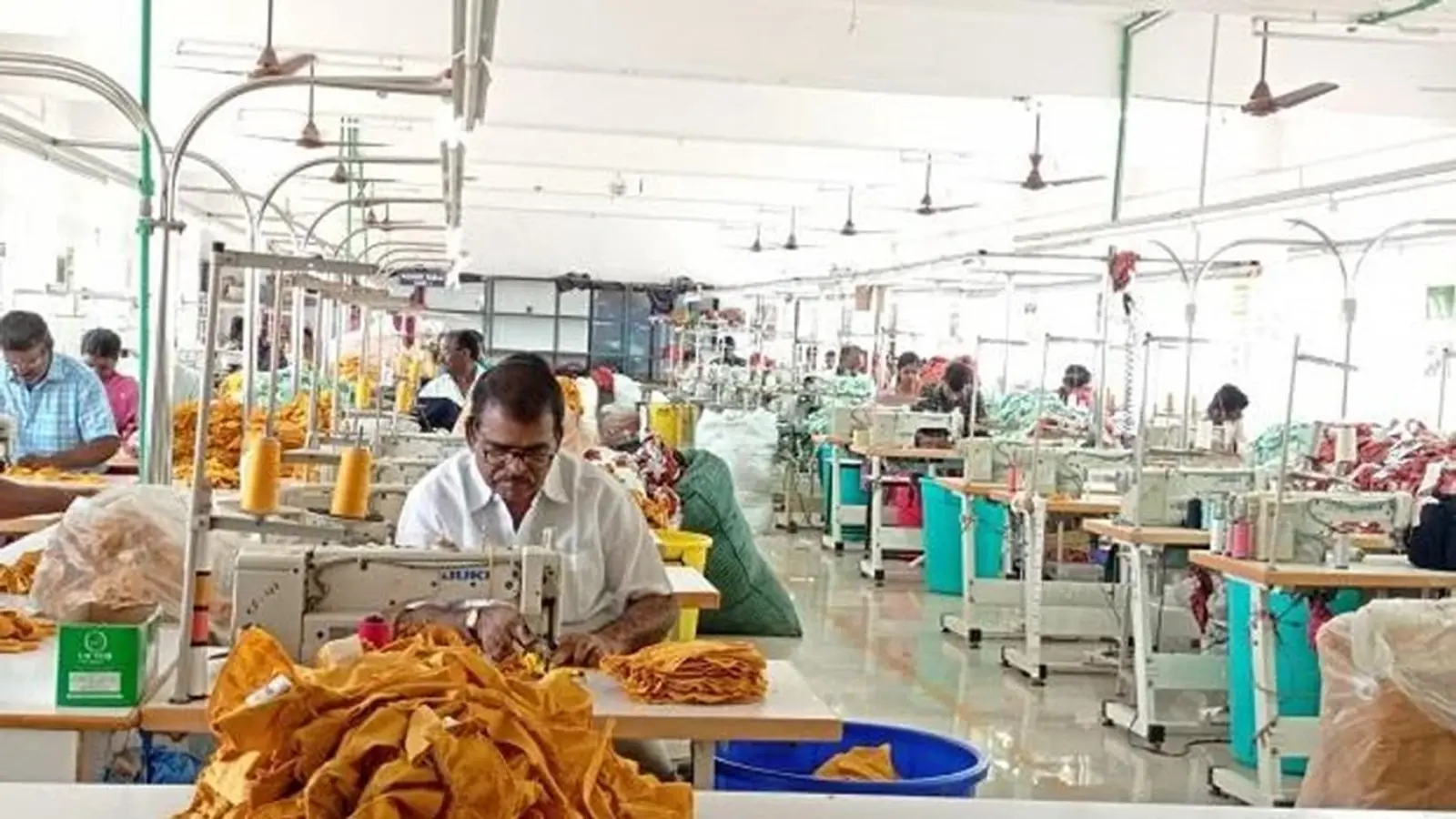
India textile sector is entering a new era of clarity, fairness and efficiency as the nation adopts a simplified, modern labour framework. The transformation comes through four unified Labour Codes that replace twenty nine laws, bringing convenience for textile MSMEs and stronger protection for millions of workers. This shift is reshaping production floors, compliance systems and workforce practices across major textile clusters.
The new framework creates a streamlined ecosystem where digital records, single registration, time bound approvals and faster dispute resolution bring major relief to Textile manufacturers. Uniform national safety norms, third party audits and tech driven inspections raise transparency and align India with global sourcing expectations. At the same time, workers gain meaningful safeguards through universal minimum wages, double overtime pay, health coverage, fair contracts and paid annual leave, creating an environment of dignity and security.
Women workers stand at the center of this progress. Gender neutral hiring rules, expanded safety norms for night shifts and broader social security coverage ensure better opportunities and safer workplaces for women in garment, spinning and weaving units. Seasonal and migrant workers also benefit from fixed term employment with equal benefits, formal appointment letters and national ESIC access, strengthening their stability in a highly labour intensive sector.
Below are some key highlights shaping this transformation:
- Unified Labour Codes reduce complexity and create a predictable system for textile MSMEs.
- Digital compliance, single registration and All India licenses accelerate production and expansion.
- National OSH standards and third party audits improve workplace safety and global credibility.
- Workers receive universal wages, fair overtime, legal protection and annual paid leave.
- Women benefit from safer night shift norms and expanded social security support.
- Fixed term employment ensures flexibility for employers and fairness for seasonal workers.
In essence, the new labour ecosystem strengthens productivity, formalisation and competitiveness while uplifting millions who power India textile value chain. This balanced transformation supports the vision of a resilient, inclusive and globally aligned sector that contributes meaningfully to Viksit Bharat by 2047.
01:28 PM, Dec 05
Source : Unified Labour Codes Pave a New Path for Indian Textile Industry
.webp)
.webp)
Epic Group Launches $100 Million Odisha Mega Garment Hub in India
12:59 PM, May 01.webp)
.webp)
1.webp)
1.webp)
1.webp)


1.webp)

1.webp)

1.webp)
.webp)
1.webp)
1.webp)
1.webp)

1.webp)


1.webp)
1.webp)

1.webp)
1.webp)

1.webp)
1.webp)
1.webp)


1.webp)


1.webp)


1.webp)

1.webp)
1.webp)
1.webp)


1.webp)


1.webp)


1.webp)

1.webp)


1.webp)

1.webp)


1.webp)


1.webp)
1.webp)
1.webp)


1.webp)
1.webp)

1.webp)


1.webp)

1.webp)

1.webp)
1.webp)
1.webp)


1.webp)

1.webp)


1.webp)


1.webp)



1.webp)
1.webp)

1.webp)

1.webp)

1.webp)





1.webp)





1.webp)
1.webp)


.webp)


1.webp)








.png)


.jpg)


1.jpeg)
